A private label program does not run on one clock. It runs in stages, each with its own owner and risk of delay. Knowing the order, and what you must have ready at each point, is what keeps a launch date realistic.
Who owns the program and how reorders work are covered in our article on what makes a private label program commercially viable. The compliance steps after label approval are what change between label approval and first shipment.
Stage 1: the brief
Everything starts with a discovery session. You and the importer define the category, the price tier, the occasion or channel, the visual direction, and the timeline you need. RTM reports that programs stay on track when the brief is complete and a producer match is confirmed, and that delays most often follow a compressed brief stage.
Have ready: a decision on category and price tier, and one person who can approve changes.
Stage 2: producer match and product development
The importer matches your brief to a producer, based on quality, capacity, and certifications. Then comes formulation: liquid selection, sample review, and sensory refinement until the product meets your specification. This stage can involve several sample rounds, and for an imported product, you must ship and review the samples.
Have ready: tasting notes on each sample, returned promptly. Slow feedback is slow product.
Stage 3: label design and approval
Label design, bottle, closure, and packaging are developed together. Every private label needs its own federal label approval, even if the liquid has been approved under another brand. Some products also need formula approval first, and RTM names formula approval and control state timelines that were not planned for as a common source of delay. State registration follows federal approval.
Have ready: final artwork decisions, and a clear answer on whether your product needs formula approval.
Stage 4: production and shipping
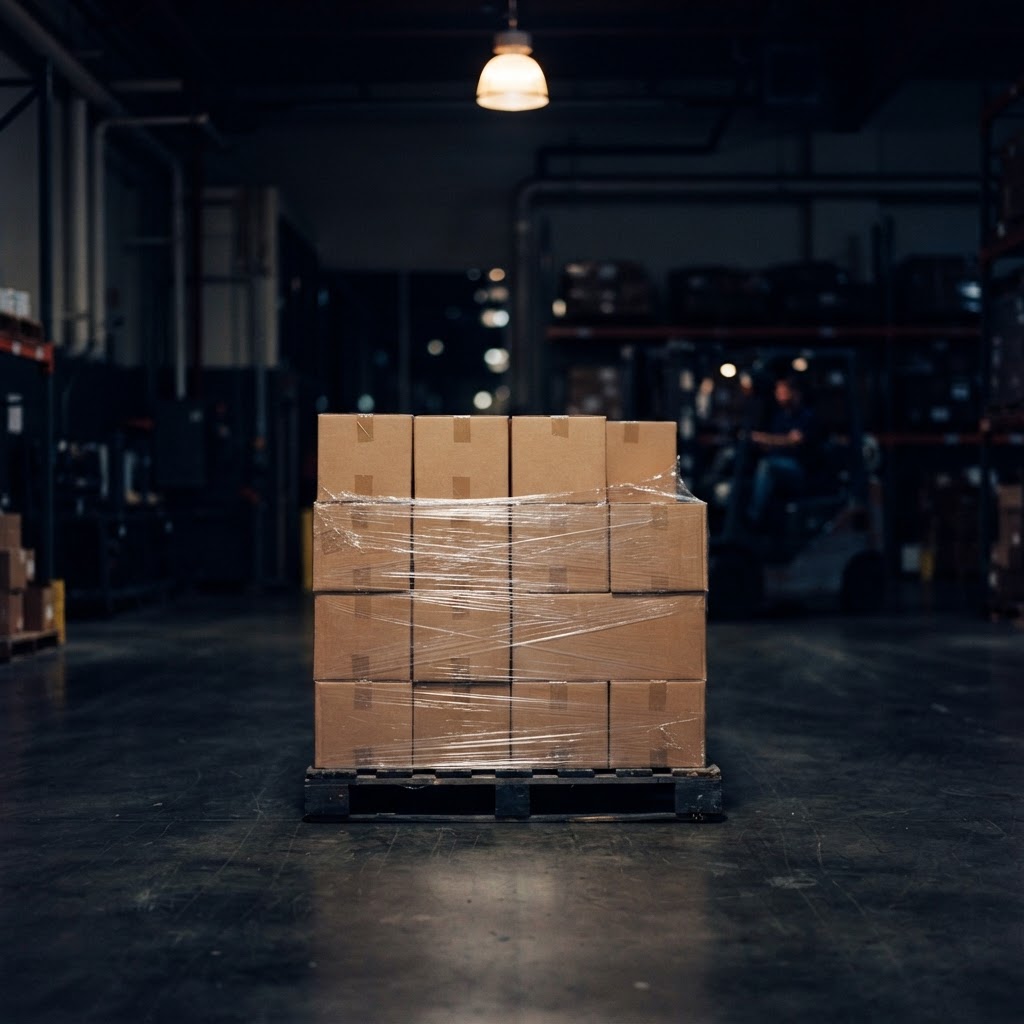
Once the product and label are approved, the producer makes your first run, and it travels to the United States. Production and freight times depend on the producer and the route. Ask the importer for the producer’s stated production time and the expected transit time, in writing.
Have ready: an agreed delivery location, and a stock plan so the first pallet has somewhere to go.
Stage 5: launch
A private label does not automatically reach your accounts. The importer presents the product to wholesale partners, supplies brand materials and sell sheets, and plans placement. Agree your launch date after this stage is understood, not before.
How long the whole path takes
RTM describes its timelines as indicative. It states under three months for domestic wine and two to three months for domestic spirits. Imported wine and imported spirits each run three to six months. The final figure depends on the category, state registration complexity, and the producer’s capacity. Use these figures to plan, and do not treat them as a promise.
For the full description of each stage, see how RTM’s custom label process works.
To start a no-commitment discovery conversation, contact our team through the RTM Imports contact page.