What U.S. Wholesale Consolidation Means for Specialist Importers
The U.S. alcohol wholesale landscape is consolidating. Major distributors are exiting markets, rationalizing portfolios, and narrowing their focus to high-volume brands. For focused, independent importers, this shift is not a threat — it is a structural opening.
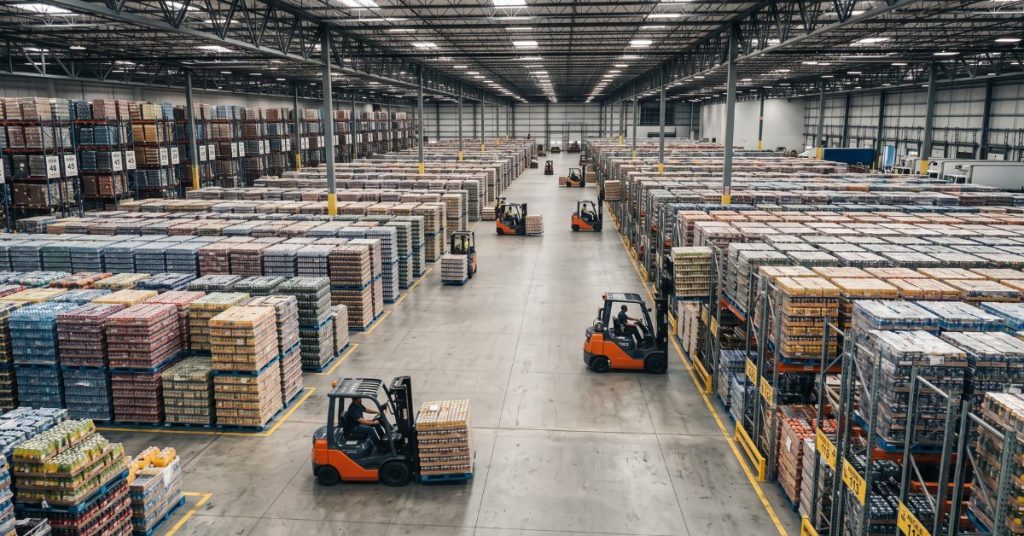
The U.S. alcohol wholesale landscape is changing at a pace that would have been difficult to predict a decade ago. Major distributors are exiting markets, rationalizing their portfolios, and narrowing their commercial focus to the highest-volume brands in their books. For large generalist importers, this is a structural threat. For focused, independent specialists, it is something else entirely.
The Consolidation Is Real
Wholesale consolidation in U.S. beverage alcohol is not a forecast. It is an ongoing market reality that has been reshaping the distribution tier for years. Large national wholesalers have absorbed regional operators, reducing the number of active distribution entities across dozens of states. The result is a smaller number of larger organizations, each managing a broader geographic footprint with the same or fewer resources.
The commercial logic driving this consolidation is straightforward. Scale reduces cost per case. Larger operators can negotiate more favorable terms with high-volume suppliers, invest in logistics infrastructure, and sustain the administrative overhead of multi-state compliance. For brands that generate sufficient volume, consolidation creates efficiencies.
For brands that do not, it creates a problem. When a major wholesaler rationalizes its portfolio, it is the lower-volume, higher-complexity SKUs that are cut first. Emerging categories, niche imports, and brands that require active sales support rather than passive order fulfillment are the first casualties of a portfolio review.
What Large Distributors Cut, Specialists Can Fill
Every SKU that a major wholesaler drops has to go somewhere. The producer does not stop wanting to sell. The consumer does not stop wanting to buy. The gap between the two simply needs a different kind of operator to fill it.
Specialist importers are structurally positioned to step into exactly that gap. A focused independent with deep category knowledge, established producer relationships, and an active wholesale network can represent brands that a major distributor has decided are not worth its time. The economics that make those brands unattractive to a large operator, primarily because of the attention and expertise they require, are precisely what make them attractive to a specialist.
This is not a secondary position. In a consolidating market, the brands that cannot secure or sustain major-distributor representation need alternatives. A specialist importer with national reach, compliance infrastructure, and a track record of moving emerging categories is not a fallback. It is the right fit.
RTM’s Position in a Consolidating Market
RTM Imports operates independently. That independence is not incidental to the business model. It is the model.
Over more than 30 years in the U.S. beverage alcohol market, RTM has built its wholesale relationships, its compliance infrastructure, and its portfolio development approach without the constraints of a single large-distributor affiliation. The company works with more than 25 active wholesale partners across the country, which means the right distribution match can be made for each brand rather than forcing every brand through the same channel.
When the wholesale landscape was more fragmented, this independence was an advantage. In a consolidating market, it becomes a more significant one. RTM does not rationalize portfolios based on volume thresholds set by a parent company. It evaluates brands on category potential, producer quality, and fit with its wholesale network, then builds the commercial program from there. The producer and wholesale relationships RTM has built over decades are not replicable on an accelerated timeline.
The Outlook
Consolidation will continue. The economic pressures driving it have not eased, and there is no structural reason to expect the trend to reverse. The distribution tier will emerge from this cycle with fewer, larger generalist operators and a clearer commercial need for focused specialists who can handle what the generalists will not.
For producers seeking U.S. market entry, that means importer selection matters more than it ever has. For wholesale partners evaluating their own portfolio composition, it means the specialist importers who can deliver emerging categories with velocity data and national compliance infrastructure are increasingly worth serious attention.
RTM Imports is built for exactly this market. If you are a producer or wholesale partner who needs a distribution model built for how the market actually works today, we would like to hear from you.