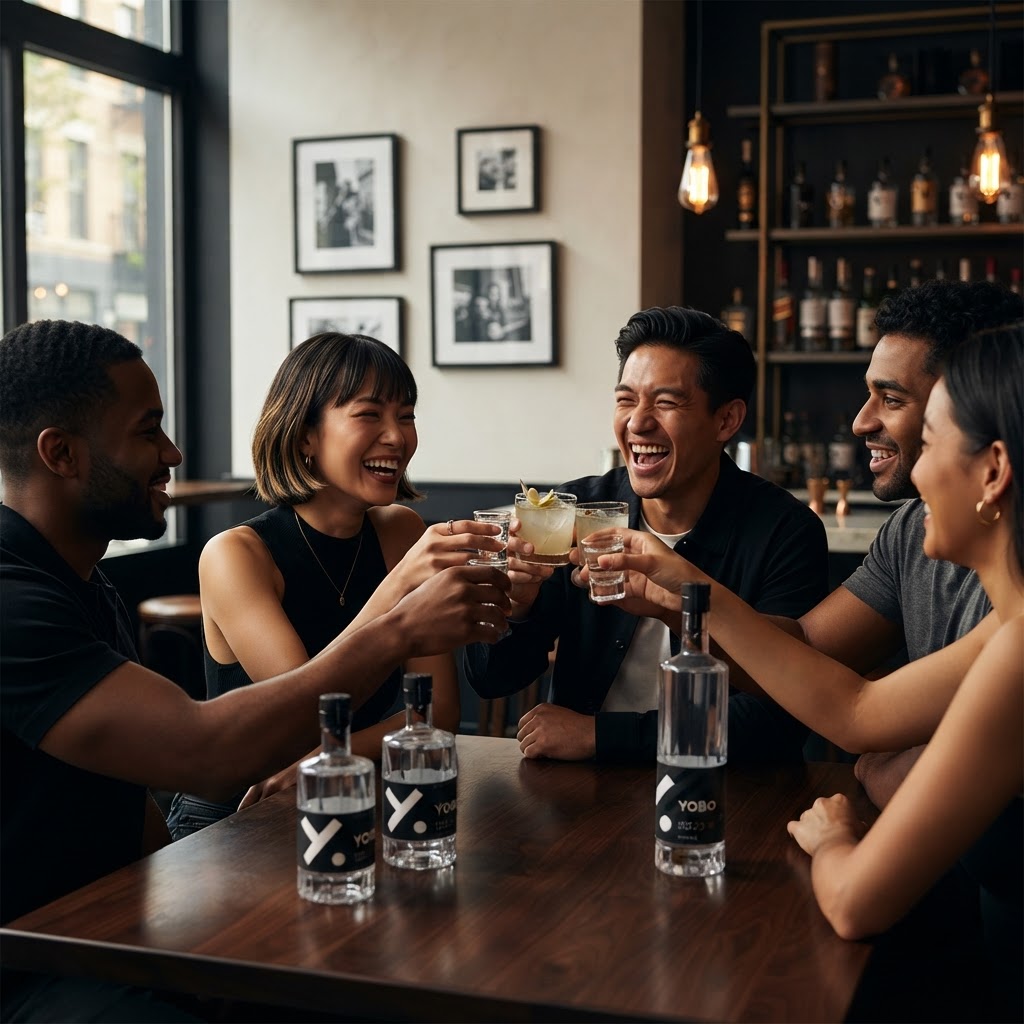
Consumption is moving away from the living room and toward the moment it’s shared.
The decline isn’t in alcohol interest, it’s in solitary drinking. Gen Z and Millennial buyers are choosing lower-ABV, sessionable drinks built for a night out rather than a night in, and retail shelves that still cater to the old pattern are losing velocity to the ones that caught up. Wine-based soju fits this shift well: recognizable, portable, and light enough to drink through a full evening rather than one glass. Total Wine and More, HEB, Circle K, and Albertsons have all expanded floor space for the category as a result, and the chains moving fastest are the ones treating shelf placement as a response to the social calendar, not a fixed layout that gets reviewed once a year.
That same logic extends to how inventory gets timed, not just placed. Static, evenly spaced replenishment doesn’t match a category that spikes around festivals, holidays, and local event calendars. Retailers getting this right are shifting toward demand-responsive ordering, timed to when their customers are actually gathering, which cuts both stockouts during peak windows and dead stock in the quiet ones.
None of that works without inventory actually landing on time, and that’s where the three-tier system becomes the real constraint. Every state requires product to move from producer to licensed wholesaler before it reaches a shelf, and RTM Imports exists to keep that step from becoming the bottleneck: sourcing from South Korea and Japan, coordinating with its wholesale partner network across all 50 states, and keeping TTB and label approvals current so a timing strategy built around social calendars doesn’t stall on paperwork. Retailers looking to build an inventory rhythm around actual demand can reach out to the RTM team to talk through what that would take for their specific footprint.