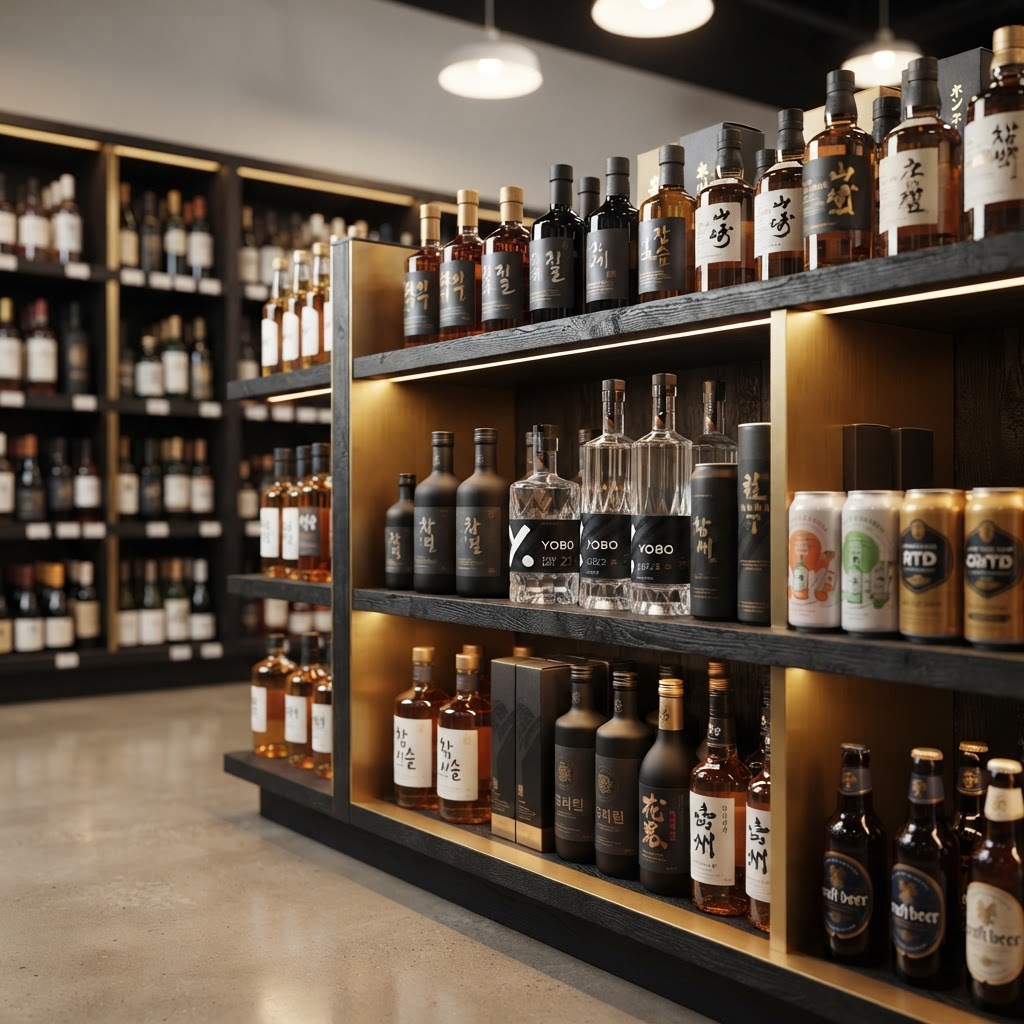
Soju and wine-based RTDs stopped being a niche shelf item a while ago. What’s changed is that major chains are now treating them as a core category worth planning around, not an experiment worth trying.
That shift is being driven by Gen Z and Millennial shoppers who encounter Korean and Japanese culture constantly online and are now looking for it on a shelf, and retailers who’ve noticed are moving these categories out of the general “imported” section and into their own dedicated space. The retailers seeing the strongest results aren’t the ones who added one or two SKUs, they’re the ones who committed to a real category strategy: consistent facings, clear signage, and enough SKU depth that a shopper looking for the category actually finds it.
Timing is the part that trips up most new entrants. Imported wine and spirits from South Korea or Japan typically need a three-to-six month runway between initial sourcing and shelf-ready inventory, which is longer than most retail category calendars assume. A launch planned around a shorter window usually arrives late for its intended shelf reset, missing the window it was built for. RTM Imports plans backward from actual retail launch dates rather than forward from when a product happens to be ready, which is a small distinction that avoids a common and avoidable miss.
Getting that supply chain to actually hold across a national footprint runs through the same constraint as everything else in this category: state-by-state compliance and a wholesale network that can carry product into all 50 states. RTM Imports manages that work so a brand’s growth curve doesn’t get capped by paperwork it never sees. Category managers building out their Asian beverage assortment can schedule a consultation with the RTM team.